Today in 2001, as the world watched the horrific scene in lower Manhattan, a guide dog named Roselle stayed focused on her job, and helped her human get to safety.
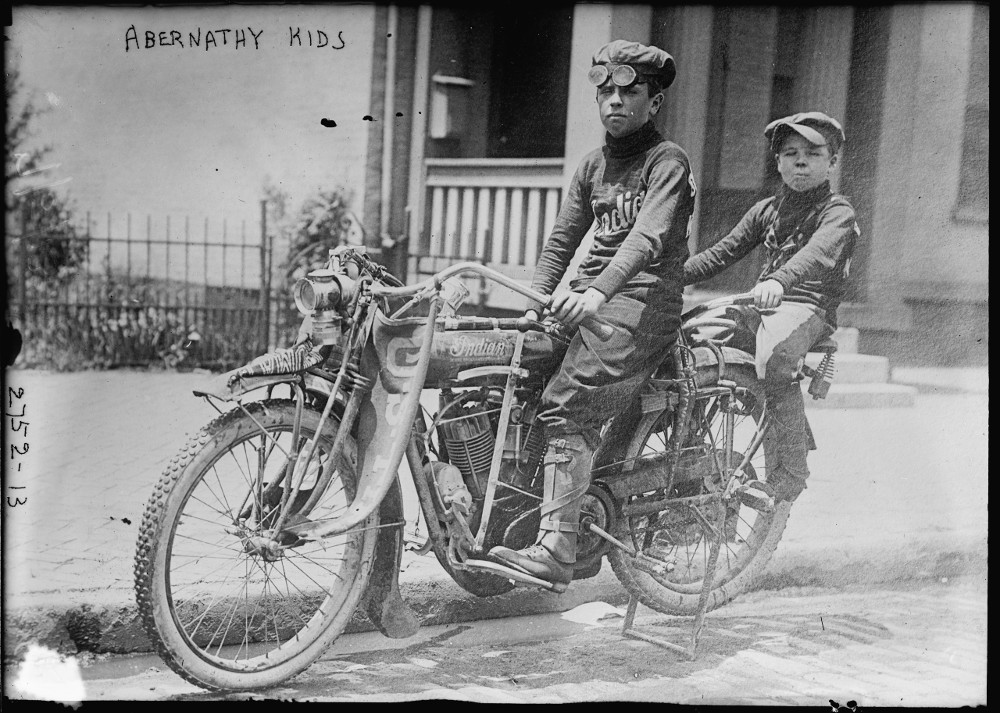
Today in 1909, the brothers Abernathy, ages five and eight, started a 1,300 mile trip - on horseback, unsupervised - from Oklahoma to New Mexico and back. The next year they got back on their horses to ride to New York to see their dad's pal, Teddy Roosevelt.
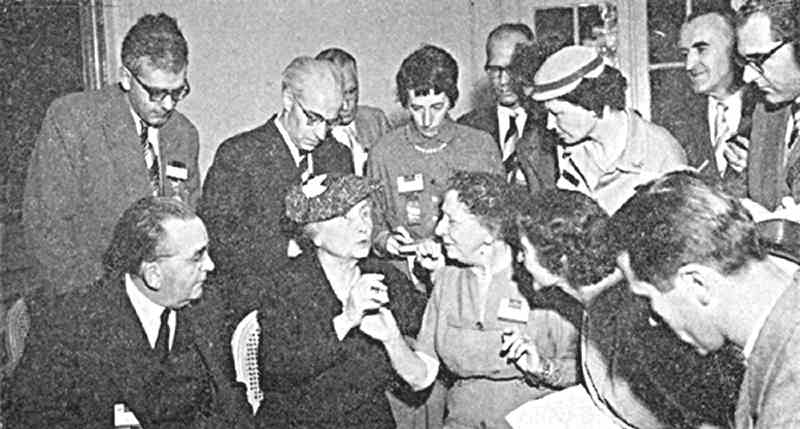
Today in 1880, the birthday of Helen Keller, the activist, author, speaker, and, on one occasion, a pilot. Never mind what randos on social media have claimed, here's the real story.
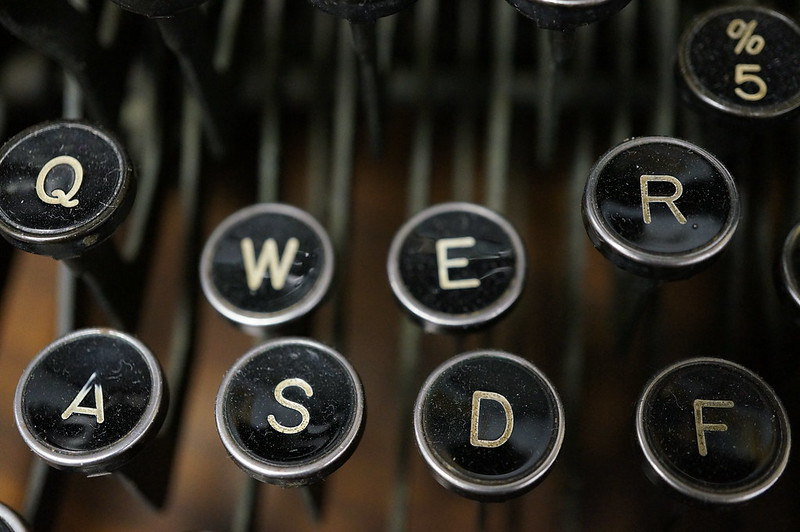
For National Typewriter Day, some of the stories that helped bring this device to life, including a guy in Italy who was trying to help a blind countess write letters.
A company called Envision has designed a set of glasses that uses artificial intelligence to help blind people with a wide range of activities. They can decode text, detect color and describe outdoor scenes to the wearer, among many other functions.
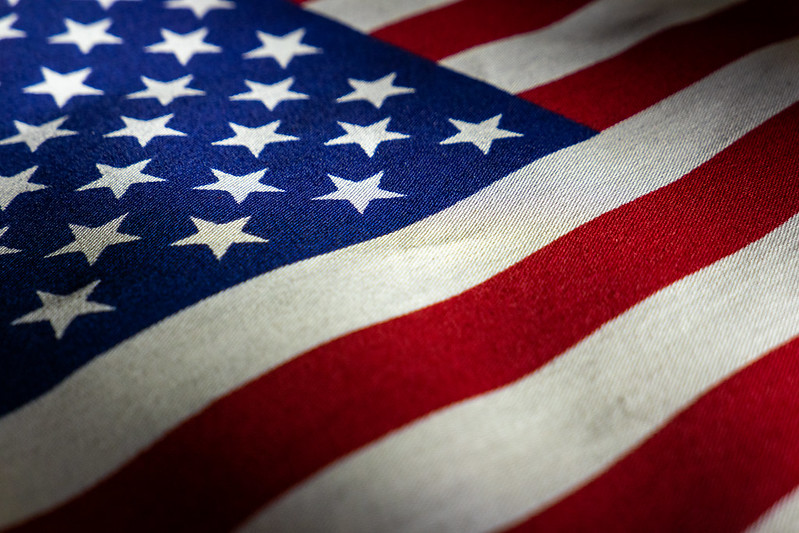
For Flag Day, we present the story of Superflag, a 505 foot long, 255 foot tall American flag that was once flown over Hoover Dam (because they don't make flagpoles that large).
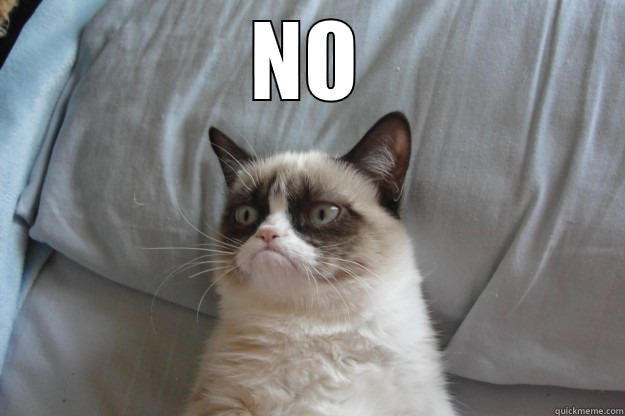
The internet and social media don't do a great job making the very visual world of meme culture accessible to blind users. The new podcast Say My Meme describes those memes so everyone can enjoy them.
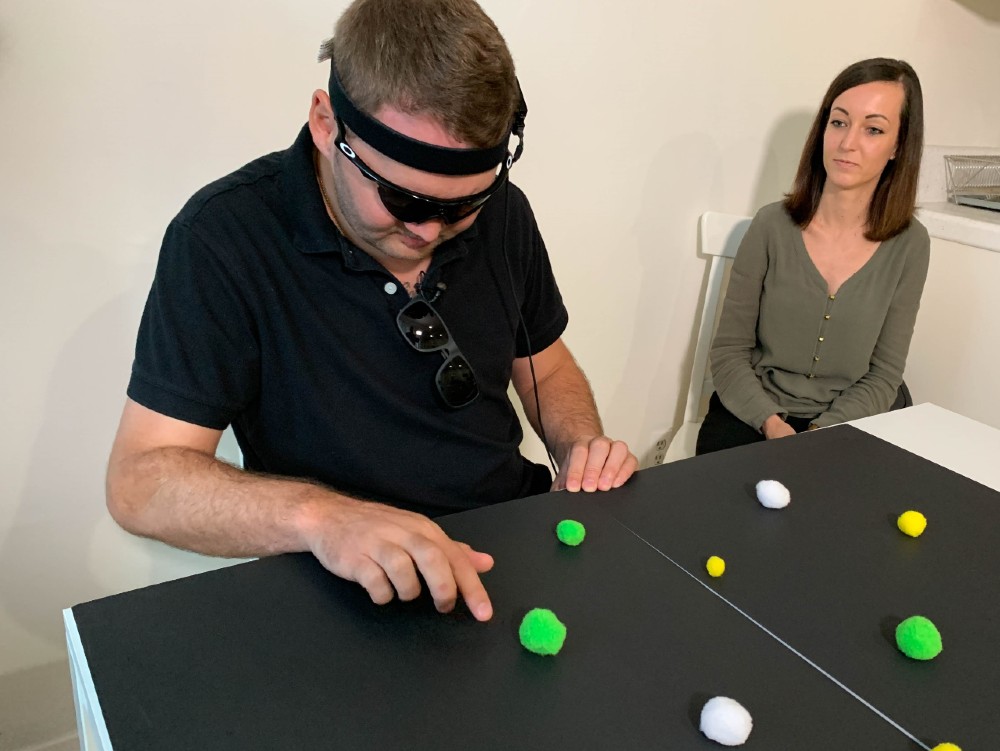
The technology I like best is the technology that helps people do what they couldn’t do before, like a new brain implant that can put images from a camera in front of blind people.
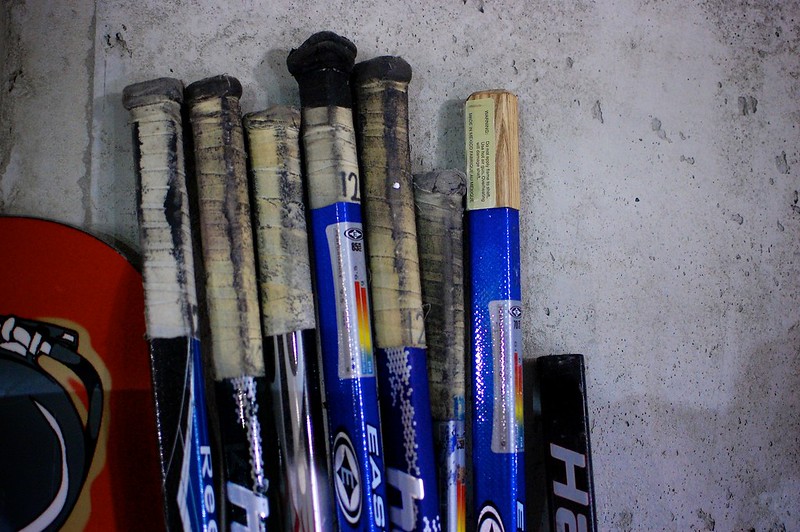
A growing number of hockey fans are paying attention to blind hockey, where players have either full blindness or 10 percent vision or less. That puts the emphasis on sound.
UCLA is testing a brain implant that takes the images captured by a tiny camera and converts them into electrical impulses that stimulate the part of the brain responsible for sight. It helps blind people detect darkness and lightness, as well as sensing motion.
The weWALK is a smart cane for blind pedestrians, with ultrasonic sensors to detect obstacles ahead and Google Maps connections to navigate through and describe the surrounding area.